
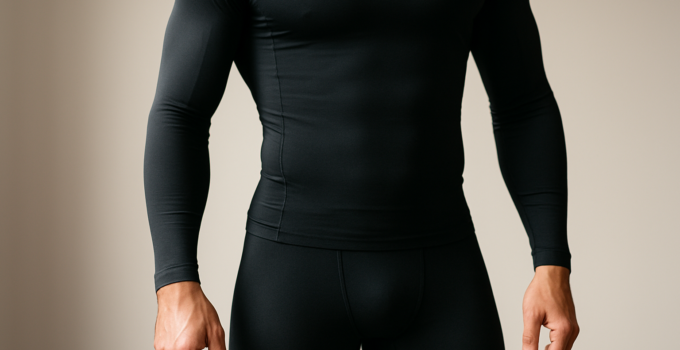
Compression clothing has become a familiar sight across field, court, and gym floors. From tight sleeves to full-body suits, athletes of all levels wear these garments with the aim of enhancing performance, accelerating recovery, or simply staying comfortable during training. But what exactly do these fabrics do, and why do athletes reach for them so consistently?
In this article, we’ll explore how compression wear may affect the body during exercise, what benefits are supported by evidence, and how to choose and use compression gear effectively. We’ll also touch on common myths and practical tips to get the most out of your investment without overextending its promises.
What compression clothing is and how it works
Compression garments are designed to apply graduated pressure to specific muscle groups. The pressure is typically tighter around the extremities and gradually eases toward the core. This gradient aims to enhance venous return, support muscles, and stabilize joints during movement. The fabrics themselves—often blends of elastane, nylon, and other fibers—offer a snug fit that moves with the body, rather than restricting it.
The underlying idea is not to “squeeze” the performance out of athletes but to create conditions that allow muscles to operate efficiently. When blood flow is supported and muscles remain steadier under load, some athletes experience less fatigue, quicker warm-ups, and improved proprioceptive feedback—the sense of where the body is in space. While the physiological picture is straightforward, the practical implications depend on the sport, the individual, and how the garments are worn.
Potential benefits for performance
Enhanced blood flow and reduced muscle oscillation
One recurring claim is that compression helps improve venous return and arterial flow during activity. By applying pressure to the limbs, garments may assist the cardiovascular system in circulating blood back toward the heart, potentially reducing the buildup of metabolic byproducts in working muscles. Additionally, the snug fit can attenuate muscle vibration and oscillation that occur with impact, lengthening the effective time muscles spend contracting with stable form. This combination can translate into a smoother, more efficient stride or stroke for some athletes.
Thermal regulation and moisture management
Many compression fabrics are designed to wick moisture away from the skin and manage heat transfer. In hot conditions, keeping sweat off the skin can help maintain comfort and prevent overheating, while in cooler conditions, the close fit can trap a thin insulating layer close to the body. The net effect is often a more stable body temperature during exercise, which can contribute to comfort and focus as workouts intensify.
Proprioception, stability, and movement efficiency
The compression layer around joints and muscles can provide a sense of compression-induced proprioception. This heightened body awareness may translate into improved technique, smoother deceleration, and better control during complex movements. For athletes performing repetitive motions or targeting precise form—such as runners, cyclists, or weightlifters—this aspect of compression can be particularly appealing.
Faster warm-ups and reduced perceived exertion
Some wearers report that compression gear helps them feel prepared sooner for training or competition. The snug garment can give a sense of muscle support that reduces the sensation of heaviness or stiffness, potentially shortening warm-up times. However, this is highly subjective and may vary widely between individuals and activities.
Recovery support: what the research says
Recovery is one of the strongest selling points for compression clothing. The proposed mechanism is that compression helps reduce muscle soreness, swelling, and tissue damage after intense exercise by improving venous return and limiting muscle damage markers. Yet the evidence is nuanced, varying by sport, garment type, compression level, and recovery protocol.
Delaying fatigue vs. accelerating recovery
For some athletes, wearing compression garments during or after activity correlates with a subjective reduction in muscle soreness and perceived recovery time. The objective data, however, can be mixed. In certain contexts, improvements in markers of inflammation or muscle damage are small or inconsistent, while others report meaningful benefits. The takeaway is that compression can support recovery for some athletes but is not a guaranteed accelerant for all.
Practical recovery strategies alongside compression
Compression should be viewed as part of a broader recovery plan. Adequate sleep, nutrition, hydration, and light movement all play critical roles. If you incorporate compression into recovery, pairing it with gradual cool-down routines, hydration strategies, and post-exercise stretching or mobility work can help maximize its potential without relying on a single tool for recovery.
Choosing the right garments: fit, level, and type
Not all compression wear is created equal. The effectiveness and comfort of a garment hinge on three main factors: fit, level of compression, and garment type. Understanding these factors helps athletes select gear that aligns with their goals and body geometry.
Fit and sizing
A proper fit is essential. Garments should feel snug but not painfully tight, and they should not pinch at any point or restrict circulation. If a piece of clothing leaves marks on the skin or limits movement, it is likely too tight. Conversely, garments that feel loose won’t provide the intended pressure gradient. Many brands offer size charts and length options to accommodate different leg and arm lengths, which matters for achieving the correct compression profile.
Compression level and sport specificity
Compression is typically described in terms of mmHg ranges. Higher levels of compression are often marketed for endurance activities or post-injury support, while moderate levels are common for daily wear or warm-up use. The ideal level depends on the sport, the duration of activity, and personal tolerance. For example, runners might favor moderate to high compression on the calves and thighs, while upper-body compression can be beneficial for those shoulder-heavy sports. It’s wise to start with moderate levels if you’re new to compression and adjust based on comfort and perceived effect.
Garment type: feet to core
Common categories include socks and sleeves, tights, leggings, shirts, and full-body suits. Each type targets different muscle groups and functions. Some athletes prefer a full ensemble for uniform compression across the limbs, while others mix and match garments to tailor compression to their routine. Consider how the garment integrates with your other gear, such as footwear, gloves, or protective equipment, to avoid bulk or interference with movement.
Sport-specific considerations and practical usage
Different sports place different demands on the body, and compression wear can be more or less beneficial depending on these demands. Here are practical considerations for a few common activities.
Running and endurance sports
In running, calf and thigh compression can help reduce muscle oscillation, potentially improving comfort over long distances. Some runners report a feeling of steadier cadence and reduced fatigue, particularly on uneven surfaces or during tempo runs. Start with mid-range compression and test how it feels during different paces and routes.
Team sports and high-impact activities
For sports with rapid accelerations, decelerations, and directional changes, compression that stabilizes joints and supports key muscle groups can help with proprioception and comfort. Compression garments for the hips, thighs, and calves are common in these contexts. It’s important to ensure that the gear allows full range of motion and does not impinge on functional movements an athlete needs to perform at high intensity.
Strength training and weightlifting
During resistance work, compression can help with muscle warmth and alignment while reducing micro-movement in the limbs. Some lifters prefer compression tops or sleeves to stay warm between sets and feel more connected to their form. For lifting, the priority is comfort and mobility; garments should not restrict grip, bar path, or deep ranges of motion.
Recovery days and travel
On off days or during travel, compression garments may help with circulation and swelling management associated with inactivity or long flights. If you plan to wear compression during recovery or travel, choose lighter compression and ensure the fabric remains breathable and comfortable for prolonged wear.
Myths and limits: what compression can and cannot do
As with any fitness aid, compression wear has its limits. It’s important to separate hype from evidence to set realistic expectations.
- Myth: Compression sleeves can replace gloves or protective gear. Truth: They can complement protection but not substitute it where specific safety gear is required.
- Myth: Higher compression always means better results. Truth: More compression can cause discomfort or restrict circulation if worn too tightly. Comfort and fit matter more than maximal pressure.
- Myth: Compression guarantees faster recovery for everyone. Truth: Some athletes may experience noticeable benefits, others may not notice a difference. Individual factors play a large role.
- Myth: You must wear compression for every workout. Truth: The timing and duration depend on goals. Many athletes reserve compression for warm-ups, competition, or post-exercise recovery, rather than wearing it all day.
Practical tips for getting the most out of compression gear
To maximize benefits while staying comfortable, consider these practical guidelines.
- Start with a fit assessment. If you are between sizes, try the size that offers a snugger fit around the target muscle groups without restricting movement.
- Rotate usage. Use compression during key sessions or recovery days rather than wearing it continuously, especially if you are new to the gear.
- Pair with effective warm-ups. A dynamic warm-up remains essential. Compression can support, but it does not replace, a well-structured warm-up routine.
- Mind hydration and nutrition. Support recovery beyond the garment by following good hydration, balanced meals, and quality sleep.
- Care and longevity. Follow the manufacturer’s washing instructions to preserve elasticity and fit over time. Gentle washing and air-drying can extend the life of the garment.
- Listen to your body. If compression causes numbness, tingling, or persistent discomfort, remove the garment and reassess fit or size.
What Is the Oldest Sport in the World? explaining how historical roots of athleticism inform modern performance gear and why understanding ancient practices enriches why athletes choose compression wear today.
Conclusion
Compression clothing can be a useful tool in an athlete’s kit, offering potential benefits in comfort, muscle support, and recovery. The extent of its impact varies by individual, sport, and how the gear is used. With thoughtful selection, proper fitting, and a balanced approach to training and recovery, compression garments can complement solid conditioning and smart practice habits. Focus on comfort, fit, and evidence-informed use, and let your own experience guide how you integrate compression wear into your routines.