
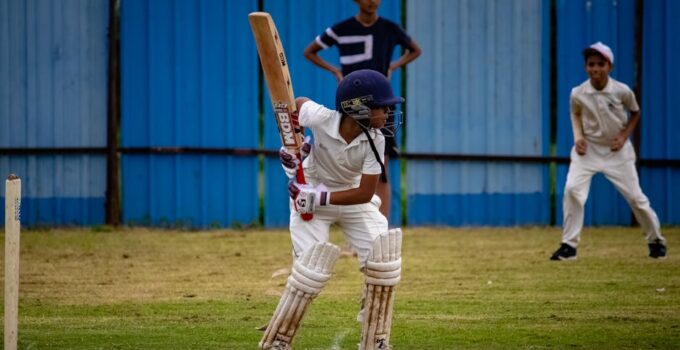
What Are the Best Mobility Exercises for Cricket Players?
In the world of cricket, agility, flexibility, and overall mobility play pivotal roles in performance on the field. A cricketer, whether batting, bowling, or fielding, requires a wide range of motion to execute skills effectively, prevent injuries, and enhance physical capabilities. Thus, mobility exercises specifically tailored to the demands of cricket are essential.
Résumé de l’article
To optimize performance and reduce injury risks, cricket players should focus on mobility exercises that improve joint flexibility and muscle function. Key exercises such as lunges, hip flexor stretches, and thoracic rotations not only enhance overall movement efficiency but also support the specific demands of cricket.
Importance of Mobility in Cricket
Mobility is the foundation of functional movement, and in cricket, it supports various actions such as fast bowling and precise batting. As we engage in these athletic movements, the joints and muscles must work in harmony.
Improving mobility can lead to better performance through:
- Enhanced Range of Motion: A greater range enables us to make larger, more dynamic movements.
- Injury Prevention: Well-conditioned muscles and flexible joints are less prone to injuries.
- Improved Coordination: Enhanced mobility fosters better body control and coordination.
Without adequate mobility, cricketers may struggle with their techniques and may experience fatigue or injuries during critical plays.
Key Mobility Exercises for Cricket Players
Now that we understand the importance of mobility, we can delve into specific exercises that can significantly benefit cricket players. We will categorize these exercises into distinct areas targeting different body parts, namely lower body, upper body, and core stability, ensuring a comprehensive approach to mobility training.
Lower Body Mobility Exercises
The lower body is crucial in cricket for explosive movements like sprinting, pivoting, and jumping. We recommend the following exercises:
- Dynamic Lunges: These engage your hip flexors and quadriceps while enhancing balance.
- Hip Flexor Stretches: Essential for maintaining flexibility in the hips, which contributes to better stride length.
- Leg Swings: Forward and sideways swings improve hip mobility and prepare the muscles for dynamic activities.
- Squat Rotations: This movement enhances hip mobility and engages the core, preparing us for various cricket movements.
Executing these exercises regularly helps maintain and improve our lower body mobility, directly translating into better performance on the field.
Upper Body Mobility Exercises
An often-overlooked aspect of mobility is the upper body. For bowlers and batsmen, shoulder and spine mobility are essential. Incorporate these exercises into your regimen:
- Thoracic Rotations: These enhance spinal mobility, essential for generating power in shots and deliveries.
- Shoulder Dislocates: Using a band or stick, this exercise improves shoulder flexibility and range of motion.
- Wall Angels: Great for counteracting tightness in the shoulder region, promoting better posture.
Improving upper body mobility enables us to execute bowling actions more efficiently and swing the bat with greater effectiveness.
Core Stability and Mobility Exercises
A strong and mobile core is integral to almost every movement we make in cricket. These exercises enhance spinal stability and functional mobility within the core:
- Bird Dogs: This exercise targets the back and core, improving stability and reinforcing proper coordination.
- Plank with Arm Lift: Engaging the core while lifting the arms promotes stability and balance.
- Russian Twists: This rotational motion mimics the cricketing action, enhancing our ability to generate torque.
By focusing on core stability, we can improve not only our mobility but also our overall athletic performance.
Integrating Mobility Exercises into Your Routine
To reap the benefits of mobility exercises, consistency is key. We recommend integrating these exercises into your warm-up and cool-down routines. Here’s how to do it:
-
Warm-Up: Prioritize mobility exercises before games and training sessions to prepare our muscles for action.
-
Cool Down: Post-activity stretches and mobility work can aid recovery and reduce muscle stiffness.
-
Dedicated Sessions: Consider scheduling specific sessions solely focused on mobility to enhance our overall athletic performance.
Remember, the goal is to create a well-balanced routine that addresses all aspects of mobility while considering the unique demands of cricket.
Conclusion
In conclusion, mobility exercises are a vital component of training for cricket players. They enhance our range of motion, prevent injuries, and improve overall performance on the field. By incorporating lower body, upper body, and core stability exercises into our routines, we can develop the agility needed for cricket. As we embrace these exercises, let us remember that consistency and dedication are essential to reaping the full benefits, giving us the best chance to excel in our cricketing journeys.