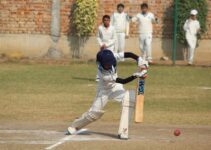

What Is the Best Diet for Cricket Performance?
In the world of cricket, where both physical and mental agility are crucial, our diet plays a pivotal role in enhancing performance. The complexities of the game demand not only skill but also endurance, strength, and concentration. Thus, understanding the optimal nutrition that fuels our bodies to excel is indispensable.
Résumé de l’article
The best diet for cricket performance includes a balanced mix of carbohydrates, proteins, healthy fats, and adequate hydration. By prioritizing whole foods, maintaining energy levels, and ensuring proper recovery, we can achieve peak performance on the field.
The Importance of Nutrition in Cricket
As cricketers, we often find ourselves playing matches that can last several hours. This duration requires not only exceptional skill but also sustained energy. Our nutrition directly impacts our performance, affecting our stamina, concentration, and recovery post-match. The right balance of nutrients can keep us dynamic on the field, enabling quick reflexes and optimal decision-making.
To truly appreciate how different nutrients affect our game, we need to delve into the three primary macronutrients: carbohydrates, proteins, and fats.
Carbohydrates: Our Main Energy Source
Carbohydrates serve as our primary fuel. They are essential for endurance and should comprise a significant portion of our diet. Foods rich in carbohydrates provide glucose, which is vital for energy during both training and matches.
When planning our meals, we should focus on including:
Including these foods in our diet ensures that we maintain optimal energy levels, reducing fatigue during long matches.
Proteins: Building Blocks of Strength
Proteins play a critical role in muscle repair and growth. For cricketers, maintaining muscle mass and aiding recovery after intense matches or training sessions is vital. Including a variety of protein sources helps us ensure we get all essential amino acids.
Good protein sources include:
Incorporating these into our meals not only enhances muscle recovery but also supports overall health.
Healthy Fats: The Unsung Heroes
Often overlooked, healthy fats are crucial for hormone production and overall cell health. They also provide a concentrated source of energy, which can be beneficial during prolonged periods of exertion.
We should aim to incorporate sources of healthy fats, such as:
These foods can help us meet our energy requirements and support cardiovascular health, which is essential for performance.
The Role of Hydration
Hydration is an equally critical aspect of our diet. Dehydration can significantly impair our performance by causing fatigue and reducing concentration. As we sweat during matches, it’s essential to replenish lost fluids to maintain peak performance.
To ensure we stay hydrated, we should:
Incorporating these practices helps us stay sharp and ready to perform at our best.
Pre-Match and Post-Match Nutrition
Timing our meals relative to matches can have a substantial impact on our performance and recovery.
Pre-Match Nutrition
Before a match, our focus should be on easily digestible carbohydrate-rich foods that provide energy without weighing us down. Ideal pre-match meals might include:
Eating about 2-3 hours before the game allows our bodies to process the food, optimizing our energy levels when the match starts.
Post-Match Recovery
After the match, our priority should shift towards recovery. We need to replenish lost nutrients and support muscle repair. A balanced post-match meal should include:
An example of an ideal recovery meal could be grilled chicken with brown rice and steamed vegetables, followed by a recovery shake for an additional protein boost.
Conclusion
In summary, optimizing our diet is a journey that requires attention to the balance of carbohydrates, proteins, and healthy fats, along with proper hydration. Each aspect of nutrition contributes to our overall performance on the cricket field. By understanding and implementing effective nutritional strategies, we can enhance our performance, recover better, and ultimately enjoy the game more. As dedicated cricketers, it’s time to embrace the power of nutrition and make it a key component of our training regime. Let’s prioritize what we fuel our bodies with; it can make all the difference in our game.