
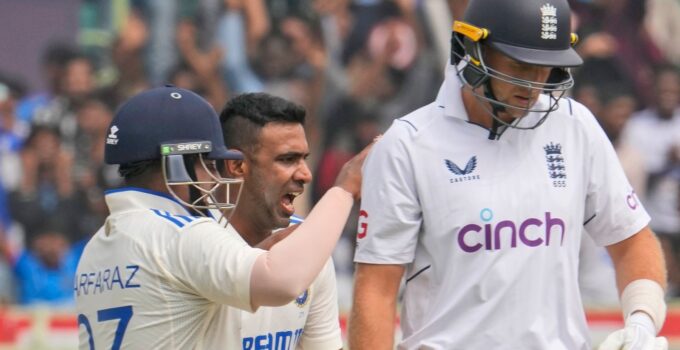
In the world of cricket, the role of the captain is crucial, especially when it comes to deciding the bowling rotation throughout a match. Choices made by the captain can significantly impact the course of the game, determining success or failure. Understanding the strategic implementation of bowling rotations provides valuable insights into the mind of a captain and their tactical approach.
Article Summary
Captains employ bowling rotations to manage bowler workload, exploit pitch conditions, and target batsmen weaknesses. By strategically using different bowlers at specific intervals, they can maintain pressure on the opposing team while maximizing their side’s chances of success.
The Importance of Bowling Rotations
Bowling rotations play a pivotal role in cricket. Not only do they allow bowlers to rest and recover, but they also keep the batsmen guessing. As avid cricket fans, we recognize that every bowler has unique strengths and weaknesses. When captains rotate their bowlers intelligently, they can create situations that favor their team’s strategic advantage over the opposition.
For instance, when a particular bowler is having an effective spell, the captain must evaluate whether to continue using that bowler or to rotate them out to avoid fatigue. The goal is to keep the pressure on the batting side, while simultaneously preparing the next bowler to exploit a changing game scenario.
Understanding Pitch Conditions
The condition of the pitch is another critical factor captains must consider when planning bowling rotations. Different pitches offer varying degrees of assistance to fast bowlers or spinners.
Analyzing the Pitch
We all know that some pitches favor swing and seam, while others suit spin bowlers. Captains must assess the conditions frequently, as they can change during the course of a match. Here are some elements to keep in mind:
By rotating bowlers according to these conditions, we see captains can maximize effectiveness, ultimately leading to taking crucial wickets.
Exploiting Batsmen Weaknesses
Captains also utilize bowling rotations to target specific batsmen. Each player has their own vulnerabilities, and a keen captain will recognize patterns, using them to their advantage.
Identifying Patterns
For instance, if a batsman struggles against left-arm spin, it is prudent for the captain to rotate in a left-armer when that batsman faces a challenging phase. The tactic involves:
By making these strategic decisions, the captain not only seeks immediate results but also fosters long-term confidence within their bowlers.
Managing Bowler Workload
As the match unfolds, it is essential to manage the physical toll on bowlers. Overworking bowlers can lead to injury, ineffective spells, and reduced overall team performance.
Strategic Resting
To mitigate these risks, captains often implement strategic resting periods. This approach involves:
Through careful workload management, captains can help sustain the performance levels of their key bowlers, ensuring optimal impact throughout the match.
In-Game Adaptability
Cricket matches are inherently unpredictable, necessitating that captains remain adaptable. The strategies devised beforehand may need to change as the game evolves.
When bowlers are rotated, a captain should continuously monitor:
By staying alert to developments in the game, captains ensure their bowling rotations are timely and tactical.
Conclusion
In conclusion, the strategic use of bowling rotations is one of cricket’s intricacies that can greatly influence a team’s performance in a match. By considering pitch conditions, exploiting batsmen weaknesses, managing workload, and demonstrating in-game adaptability, captains maximize their team’s chances of success. Understanding these concepts not only enhances our appreciation of the game but also provides us insights into the pivotal role of leadership in cricket. As spectators, we can thus enjoy a more profound connection to the sport through an analysis of these tactical interactions.