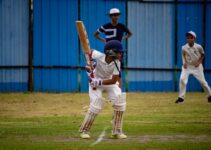

Should Bowlers and Batsmen Follow Different Fitness Programs?
Cricket is a sport where every player plays a vital role, and with that, the demands on their physical fitness can vary dramatically. While both bowlers and batsmen need to be fit, their physical requirements are distinct, leading us to question: should they follow different fitness programs tailored to their unique needs?
Summary of the Article
In this discussion, we conclude that bowlers and batsmen indeed require different fitness programs. Bowlers need a focus on strength, flexibility, and stamina to enhance their bowling capabilities, while batsmen should concentrate on agility, endurance, and explosive power for improved batting performance.
Understanding the Different Roles
To appreciate why bowlers and batsmen require different fitness regimens, it’s essential to understand their roles on the cricket field.
Bowlers need to exert maximum force in short bursts while using specific muscle groups repeatedly during their bowling action. They face physically demanding situations requiring arm speed, chest strength, and core stability.
Conversely, batsmen compete in a different battleground, where quick, agile movements are key. Batsmen engage in running between wickets and executing explosive shots, requiring a different approach to strength and conditioning.
Physical Demands of Bowlers
When it comes to bowlers, the primary physical demands include stamina, strength, and flexibility. Due to the repetitive nature of bowling, their fitness programs need to cater to the following aspects:
Stamina and Endurance
Bowlers often deliver multiple overs in one session, demanding significant endurance. To build stamina, a focus on cardiovascular exercises such as long-distance running, cycling, or swimming is crucial.
Strength Training
Strength is essential in bowling, particularly in the arms, shoulders, and back. Incorporating weight training to target these areas can make a significant difference in bowling speed and accuracy. Functional exercises that mimic bowling actions should be emphasized.
Flexibility
Flexibility plays a pivotal role in a bowler’s ability to perform. Incorporating daily stretching routines, and specific exercises such as Pilates, ensures that bowlers maintain their range of motion and reduce the risk of injury, allowing for greater delivery technique.
Physical Demands of Batsmen
In contrast, batsmen need to approach their fitness with agility and explosive strength in mind. Here is a breakdown of their physical requirements:
Agility Training
Batsmen must have rapid reflexes and the ability to change direction quickly. Incorporating agility drills, such as ladder drills or cone drills, will enhance movement efficiency, allowing players to react swiftly to incoming deliveries.
Endurance and Stamina
While bowlers also need stamina, batsmen require a different endurance profile given that they often run between wickets repeatedly. Therefore, interval training can be beneficial, simulating game-related conditions that involve short but high-intensity sprints.
Power and Strength
Explosive strength is fundamental for batsmen to hit the ball effectively. Weight training focusing on compound movements like squats or deadlifts can enhance this power, combined with plyometric exercises such as box jumps to generate speed in batting strokes.
Injury Prevention and Recovery
In cricket, injuries can impede performance dramatically. Both bowlers and batsmen must prioritize recovery and injury prevention in their fitness regimes.
Bowlers and Injury Prevention
For bowlers, a robust warm-up routine focused on mobility and dynamic stretching is crucial. Additionally, specific strengthening exercises targeting the shoulder, lower back, and knee can significantly reduce injury risk.
Batsmen and Injury Prevention
Batsmen, on the other hand, need to focus on their lower limbs and core stability. Incorporating stability training, along with proper warm-ups and cooldowns, is critical in preventing issues related to hamstrings or lower back.
Conclusion
In conclusion, while the overarching goal for both bowlers and batsmen is to enhance their performance on the field, their fitness programs must be distinctly tailored to their unique physical demands. Integrating specific exercises and training methodologies will not only lead to individual improvement but also contribute to overall team success.
By recognizing the differences in their roles and understanding the specific fitness needs, we can help advance the standards of performance in cricket and keep players fit, healthy, and ready for the challenges ahead. As we witness the evolution of cricket, the emphasis on specialized fitness programs will undoubtedly shape the future of the game.