
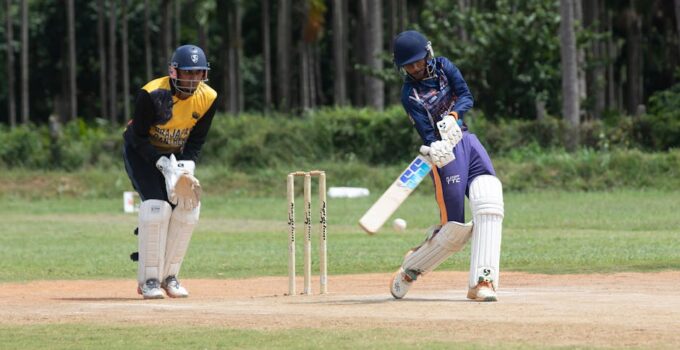
Cricket, as a sport, demands a unique combination of physical prowess, agility, and mental toughness. For those of us who are passionate about the game, maintaining peak fitness levels can become an obsession. However, in our pursuit of excellence, we often fall prey to various fitness pitfalls that can hinder our performance or even lead to injury. Understanding these common mistakes is crucial for anyone keen on improving their cricketing abilities.
Résumé de l’article
In this article, we will identify some of the most common fitness mistakes made by cricket players. These include neglecting sport-specific training, skipping recovery, and poor nutrition choices. By addressing these errors, we can enhance performance and longevity in the game.
Neglecting Sport-Specific Training
One of the primary errors made by cricketers is failing to engage in sport-specific training routines. While general fitness workouts can undoubtedly boost overall strength and endurance, they may not adequately prepare us for the unique demands of cricket.
Importance of Skill and Movement
Cricket requires a specialized set of skills and movements, including sprinting, bowling, batting, and fielding. A balanced training regimen should incorporate exercises that mimic these actions. For example, we might include drills that improve our reaction time and hand-eye coordination, exercises that replicate bowling and batting stances, and agility drills that enhance our fielding ability.
Incorporating Functional Training
Additionally, functional training should not be overlooked. This kind of training focuses on movements relevant to cricket rather than just lifting weights. We should consider incorporating resistance bands, medicine balls, and plyometric exercises, which can help in building the core strength and explosive power necessary to excel on the field.
Ignoring Recovery Protocols
Another common mistake is underestimating the significance of recovery. Many players push their bodies to the limit during training and matches, often neglecting proper cooldowns and recovery protocols.
The Role of Rest and Recovery
Our bodies need time to repair and rebuild muscle tissue after intensive workouts. Ignoring this vital component can lead to overtraining, resulting in decreased performance and increased risk of injury. Adequate rest, sleep, and nutrition are key contributors to effective recovery.
Incorporating Stretching and Mobility Work
We must also prioritize stretching and mobility exercises. These not only aid recovery but also improve flexibility, which can enhance our range of motion during play. Simple practices such as yoga or dedicated stretching sessions can make a significant difference to our overall performance and help prevent injuries.
Overlooking Nutrition
While many of us are diligent about our workout regimes, nutrition is often the overlooked cornerstone of fitness. Poor dietary choices can drastically impact our performance and recovery.
Understanding Nutritional Needs
Our nutritional needs as cricketers are specific. We require a balanced diet rich in carbohydrates, proteins, and healthy fats to fuel our bodies. Carbohydrates should be our primary source of energy, especially before training and matches, while proteins play a critical role in repair and recovery.
- Hydration: Staying hydrated is equally vital. Dehydration can impair physical performance and concentration on the field.
- Sensible Snacking: We should also focus on proper snacking. Opting for nutrient-dense options such as nuts, fruits, and smoothies can help maintain our energy levels.
Avoiding Fast Food and Sugary Snacks
We must also be aware of the long-term effects of consuming fast food or sugary snacks. These foods provide empty calories, which can hinder our fitness goals and overall health.
Not Setting Realistic Goals
Another fitness mistake that can be detrimental to our progress is setting unrealistic goals. While ambition is essential, it can lead to frustration and disappointment if the goals set are unattainable.
Importance of Smart Goals
Utilizing the SMART criteria (Specific, Measurable, Achievable, Relevant, Time-bound) can guide us in establishing more reachable fitness objectives. By focusing on attainable goals, we can foster a sense of accomplishment, fueling our motivation and commitment to improvement.
Tracking Progress
We should also track our progress regularly. Keeping a fitness journal or utilizing apps can help us assess how we’re faring in relation to our goals. This practice reinforces our determination and helps identify areas needing adjustment.
Ignoring Consultation with Professionals
Lastly, many players can sometimes neglect the importance of professional guidance in their fitness journeys. While self-training has its benefits, consulting with a fitness trainer or sports physiologist can provide insights tailored to our unique needs and goals.
The Benefits of Professional Training
Consulting experts can help us develop a personalized training program that addresses both our strengths and weaknesses in specific cricketing skills. Additionally, they can provide valuable advice on injury prevention and recovery protocols.
Emphasizing Injury Prevention
Taking preventive measures enhances our longevity in the sport. By working closely with professional coaches and trainers, we can minimize the risk of injury, ensuring that we remain on the pitch and contributing to our teams.
Conclusion
In the world of cricket, maintaining a comprehensive and focused approach to fitness is crucial for success. By avoiding the common mistakes outlined above, we can enhance our performance while safeguarding our well-being. Whether it’s through sport-specific training, proper recovery, mindful nutrition, realistic goal-setting, or professional guidance, each aspect plays a pivotal role in our cricketing journey. Let’s commit to refining our fitness routines and striving for excellence on and off the field.