
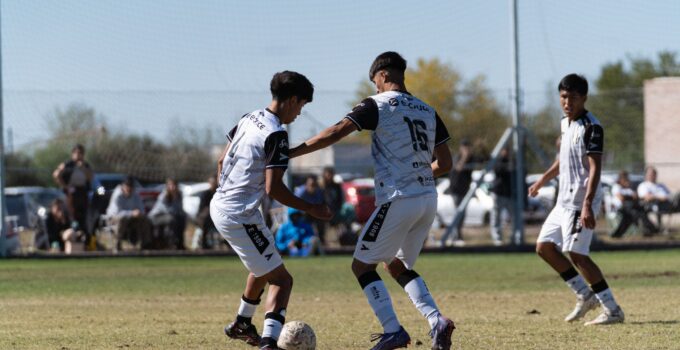
If you’ve watched a top football match, you’ve almost certainly seen a procession of children walking hand in hand with the players as they approach the pitch. The images are distinctive: smart kits, eager smiles, and a moment that feels warmer and more human than the sport’s high-stakes competition. But beyond the spectacle, there are practical, social, and cultural reasons behind this ritual. This article unpacks why players walk onto the pitch with children, what it signals for clubs and communities, and how the practice has evolved over time.
From the ceremonial value to the charitable fold, the child mascots serve multiple purposes that extend far beyond the kickoff. Whether you’re a casual spectator, a parent, or someone curious about the psychology of sport, understanding this tradition reveals how football combines entertainment with community responsibility and long-standing conventions.
The ritual: purpose and symbolism of the child mascots
Walking onto the pitch with children is more than theatrical flair. It embodies several layered meanings that resonate with fans, players, clubs, and supporters worldwide.
First, it creates a bridging moment between generations. The arena is filled with adults who appreciate tactics, statistics, and rivalries, and the children symbolize hope, curiosity, and the next generation of fans. The sight of young participants alongside seasoned professionals humanizes the sport, reminding everyone that football is as much about inspiration and mentorship as it is about winning.
Second, the ceremony reinforces a sense of unity and community. Clubs position themselves not merely as teams competing for trophies but as institutions that foster local ties and social responsibility. The presence of children—often from the club’s own academy, local schools, or charitable partners—underlines a shared project: supporting young people and giving them a platform to dream big.
Charity, fundraising, and social impact
A significant portion of the child-mascot program is tied to philanthropy. Many clubs partner with charitable organizations or launch initiatives that direct attention and resources toward causes such as youth development, education, health, and inclusion. The pre-match moments can spotlight campaigns, with signage, awareness messages, and sometimes fundraising actions integrated into the day’s events.
For supporters, the connection feels tangible. Donations, raffles, or auction items linked to the match day can raise funds for programs that keep young people engaged in sport, provide equipment, or support families facing hardship. Even when the formal fundraising elements aren’t front-and-center, the social mission behind the ceremony signals a commitment to giving back to the community that sustains the club’s broader ecosystem.
Involvement of academies and pathways to sport
Part of the rationale lies in nurturing pathways for aspiring players. Featuring academy pupils or local talent on match days offers a tangible glimpse of development opportunities—an aspirational moment where a child imagines a future connected to professional football. This exposure can be motivational for the young participants themselves and exciting for their families, who see their child’s potential celebrated on a large stage.
Moreover, it helps clubs demonstrate the effectiveness of their youth systems. By showcasing the next generation, they illustrate the value of long-term investment in coaching, facilities, and structured progression. For the broader sport, such moments highlight a proven model where talent can rise through a network of youth programs into professional ranks.
Logistics, safety, and organization on match day
Behind the scenes, coordinating child mascots requires careful planning. Clubs work with security teams, event organizers, and guardians to ensure safety and a smooth experience for everyone involved. This includes: selecting appropriate ages, coordinating with families and schools, ensuring travel arrangements, and briefing participants on conduct and expectations.
Safety considerations extend to the design of the walk itself. The route must be clear of hazards, with marshals guiding both players and children. For younger participants, there is typically a heightened emphasis on supervision, briefing about what to expect at the edge of the pitch, and providing a supportive environment if the match atmosphere becomes overwhelming. The aim is a memorable moment that remains joyful and collaborative rather than intimidating or chaotic.
Branding, media dynamics, and audience engagement
From a communications perspective, the ceremonial walk functions as a powerful piece of match-day storytelling. The visuals—murmured greetings, high-fives, and the shared gaze between a player and a youngster—translate well across broadcasts, social media, and in-stadium screens. Clubs leverage these moments to cultivate warmth and accessibility, qualities that can soften the fierce competitiveness of the sport and broaden its appeal to a wider audience.
Media coverage often emphasizes the emotional resonance of the moment: the image of a star player kneeling to talk with a child, or a small fan waiting with breath held as a captain passes by. These scenes create positive associations with the club and with the sport itself, reinforcing loyalty among existing supporters while inviting new fans to connect with football as a community experience.
Cultural variations and evolving expectations
Not all football cultures approach the mascot ritual in the same way. In some leagues, the emphasis may lean more toward charity partnerships and community involvement, while in others the spectacle takes on a broader ceremonial role tied to national pride or club identity. What remains common is a recognition that football is a stage for human stories as much as athletic achievement.
Over time, expectations around inclusivity and accessibility have grown. Programs increasingly aim to involve children with diverse backgrounds, including those with disabilities, to ensure that the experience is welcoming for all families. Clubs may adapt routes, timings, and participation criteria to reflect inclusive practices and the evolving values of their supporter base.
Critiques and thoughtful considerations
As with any long-standing tradition, there are critiques to acknowledge. Some observers question the potential for the ritual to become too staged or to overshadow the players’ performance with a heavy emphasis on ceremony. Others raise concerns about the burden placed on young participants and their guardians, or about the equitable selection of participants from diverse communities.
Many clubs respond by refining selection processes to emphasize inclusivity, safety, and consent. Additional efforts include ensuring that participation is genuinely voluntary, that children have a meaningful and comfortable experience, and that the event remains about inspiring young fans rather than serving as a mere photo opportunity for celebrities.
What players and families typically experience
For players, the moment can feel like a grounding counterpoint to the tension of a match. The interaction with a child often prompts a brief pause, a human connection that can reset focus, reduce nerves, and remind the athlete of the broader purpose of their public platform. For families and guardians, the ceremony can be a cherished memory: a photo, a handshake, a chance to see their child shine in a setting they previously only imagined.
In practical terms, families benefit from clear guidance about the ceremony, including timing, pickup points, and what to expect when entering and exiting the pitch area. When managed well, the experience is a source of pride and a shared family moment that augments the overall match-day enjoyment.
How clubs design and update mascot programs
Successful mascot initiatives are built on collaboration among the club’s community relations team, the academy, sponsors, and charitable partners. Key components typically include: a transparent selection process aligned with community goals; training briefings for participants and guardians; contingency plans for weather or crowd-size changes; and post-match acknowledgments that recognize the children’s contributions.
Clubs also periodically review their programs to stay aligned with audiences’ values and expectations. This might involve expanding participation to different age groups, increasing the visibility of charitable partners, or introducing new formats that maintain emotional resonance while improving safety and accessibility.
Practical takeaways for fans and families
If you’re attending a match and you have a child who might participate in a future ceremony, a few practical tips can help ensure a positive experience:
- Understand the participation process: ask the club or local organizers about eligibility, registration, and timelines.
- Discuss expectations with guardians and club staff to ensure comfort and safety for the child.
- Prepare in advance for the environment: stadium noise, bright lights, and the crowd’s energy can be intense for young participants.
- Embrace the moment as a team effort: recognizing the players’ commitment to community can deepen appreciation for the sport beyond the scoreboard.
Why Athletes Wear Compression Clothing offers a closer look at the practical gear and how it supports performance, which naturally complements understanding the moment athletes invite youngsters onto the pitch for inspiration.
Conclusion
Walking onto the pitch with children is a multifaceted tradition that blends ceremony, charity, development, and community. It offers a tangible reminder that football is a social enterprise as much as a sport: a space where stars can connect with the next generation, where organizations mobilize resources for positive impact, and where fans witness moments of shared humanity amid the drama of competition. For players, clubs, and supporters alike, the ritual reinforces a common premise: sports can elevate, inspire, and unite when anchored in opportunity and care for the people who make the game possible.